
Porsche’s Market Reset in 2025: Why Turmoil May Benefit Enthusiasts
February 4, 2026
This article is written for Porsche buyers, long-term owners, industry insiders, and decision-makers who want an unfiltered view of what is really happening in today’s Porsche marketplace and why it matters for the brand’s future.
A Grounding Perspective in a Noisy Market
As the global car market struggles to stay afloat amid relentless geopolitical turbulence, it has become increasingly necessary to seek out voices of calm, experience, and common sense. For me, that grounding comes not only from transactional data but from something far more old-fashioned: listening.
At theporschebuyer.com, we monitor real-time market movements every day. But recently, the most sobering insights have not come from spreadsheets. They have come from forums, conversations, and the collective wisdom of customers and industry veterans who have lived through multiple cycles of boom, bust, and reinvention.
Listening to customers is still therapy. Funny that.
The Hottest Topics in Today’s Porsche Marketplace
If Porsche CEO Oliver Blume were reading this, these are the issues that would matter most.
Smaller and Lighter 911s Are Wanted
Across generations, buyers are calling for a return to smaller, lighter 911s. The concern is not progress, but unchecked growth in size and weight. The fear is that the future brings only heavier, more complex versions of a car defined by purity.
This is not a niche opinion. It is remarkably consistent feedback.
Price Increases Should Not Be Automatic
Many customers understand that modern regulations and cybersecurity requirements cost money. What they struggle with is paying for technology they neither want nor enjoy.
Drivers are pushing back. And recent regulatory reversals suggest this resistance is not misplaced. There is precedent for manufacturers to challenge rules that dictate what buyers “ought” to want rather than what they do.
The Real Crisis: Customer Satisfaction
The most difficult subject to discuss is also the most important: true customer satisfaction.
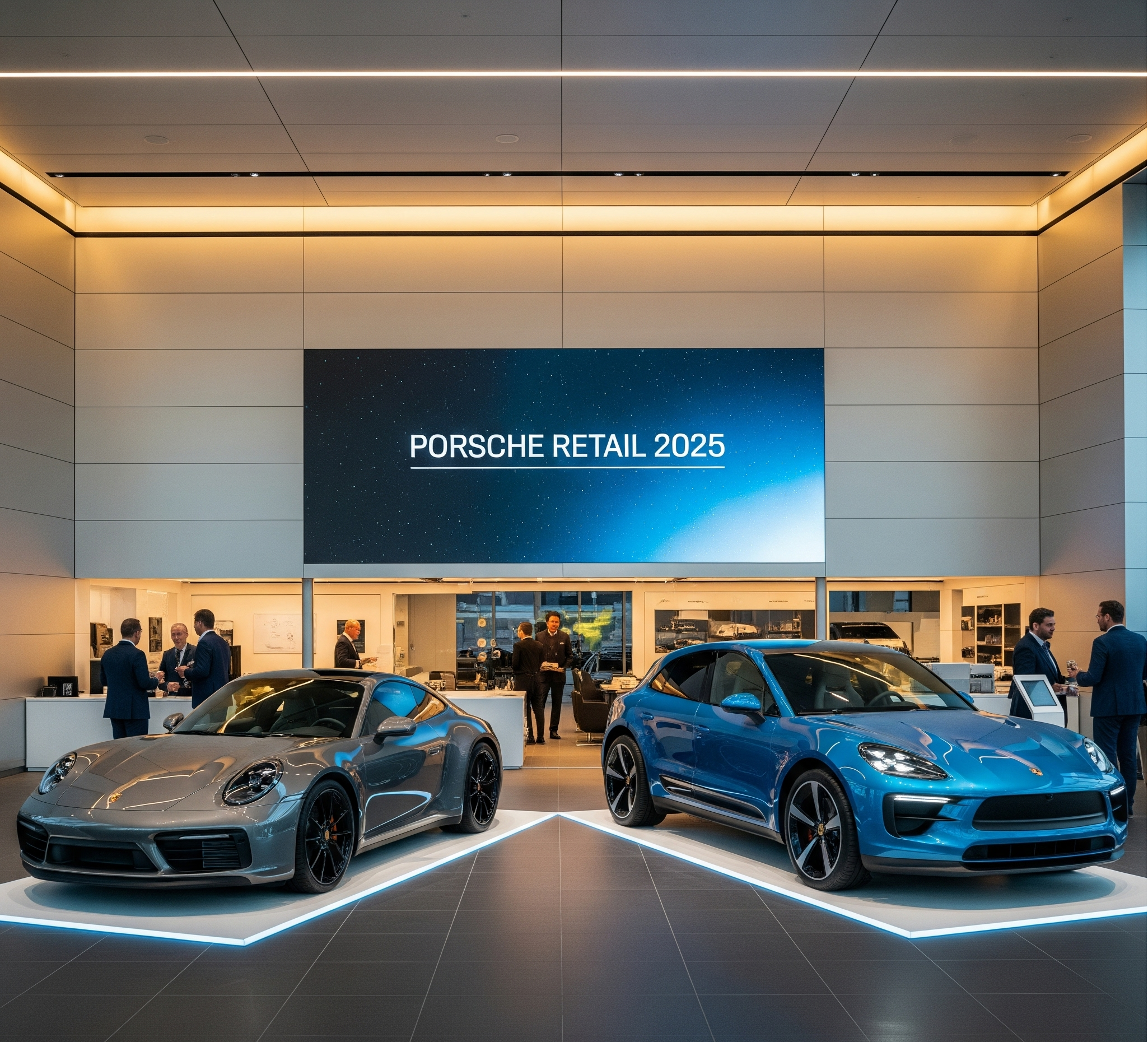
Yes, CSI surveys may show perfect scores. But on the street, a very different story is emerging. Many customers feel undervalued at Official Porsche Centres (OPCs). Expectations are high when you walk into a Porsche showroom, and increasingly, those expectations are not being met.
This is not an attack on frontline staff. In fact, blaming showroom employees is the wrong conclusion entirely.
The Structural Problem Inside OPCs
Corporate pressure has reached a level that is breaking the system.
To protect identities, I will keep numbers deliberately vague, but the pattern is clear.
An OPC that once needed a fraction of today’s operating costs now requires around £10 million annually just to function. Despite enormous effort, the net profit achieved barely justifies the stress placed on staff and customers alike.
When expectations rise faster than reality allows, something inevitably gives.
The pattern is predictable:
- The best people leave first.
- The remaining staff carries unsustainable pressure.
- New hires arrive undertrained due to time and cost constraints.
- Customer care deteriorates.
- Brand reputation suffers.
This is not isolated. It is happening at scale.
Why This Matters for Porsche’s Future
If Porsche does not look after its people, those people cannot truly look after its customers.
A wise former franchisee once said to me:
“We are in the care business, not the car business. Look after your people and the rest looks after itself.”
That philosophy built Porsche’s reputation. Losing it risks far more than quarterly numbers.
Key Takeaways
- Porsche’s challenges are structural, not superficial.
- Customers and veteran insiders are aligned in their concerns.
- Product direction, pricing discipline, and customer experience must be recalibrated.
- Protecting people inside the network is essential to protecting the brand.
- Listening remains Porsche’s most powerful competitive advantage.
FAQ
Are customers really asking for smaller 911s?
Yes. Feedback spans generations and experience levels, indicating a broad desire for lighter, more focused cars.
Is customer dissatisfaction limited to certain OPCs?
No. While some centres excel, similar complaints are appearing across regions.
Are price increases the main issue?
Not alone. It is the combination of rising prices and unwanted complexity that frustrates buyers.
Is this unique to Porsche?
No, but Porsche’s brand promise makes these issues more damaging if left unaddressed.
What should Porsche prioritize next?
People, simplicity, and listening to its core customer base.
Final Thought
Porsche has a proud history of succeeding by resisting trends rather than chasing them. Listening to customers and those who built the brand has never been a weakness. It has always been Porsche’s greatest strength.